
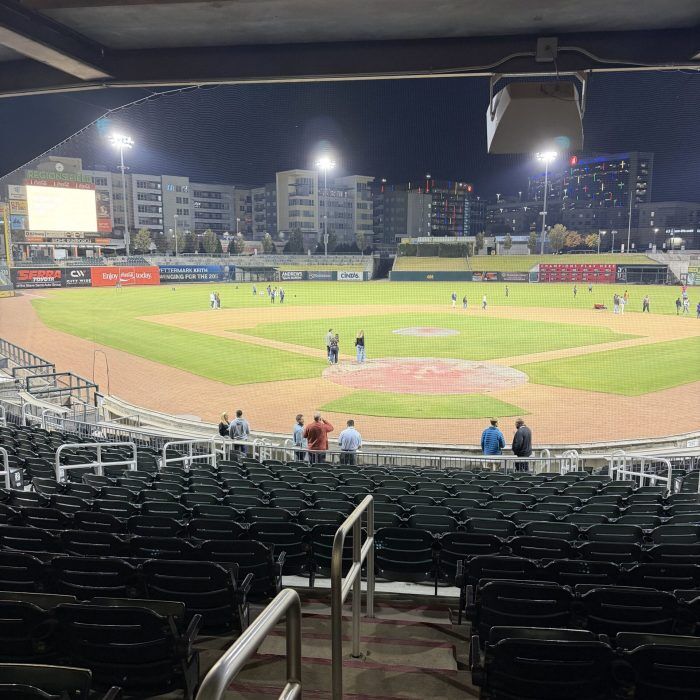
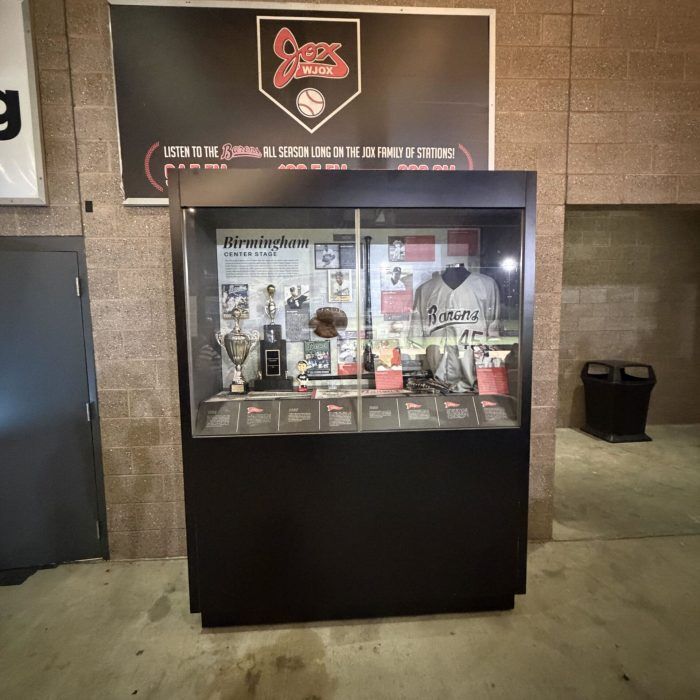
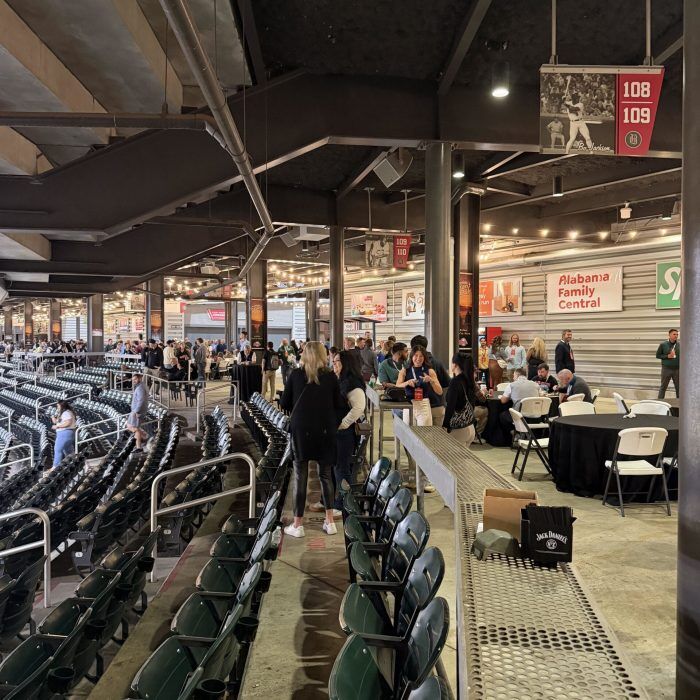
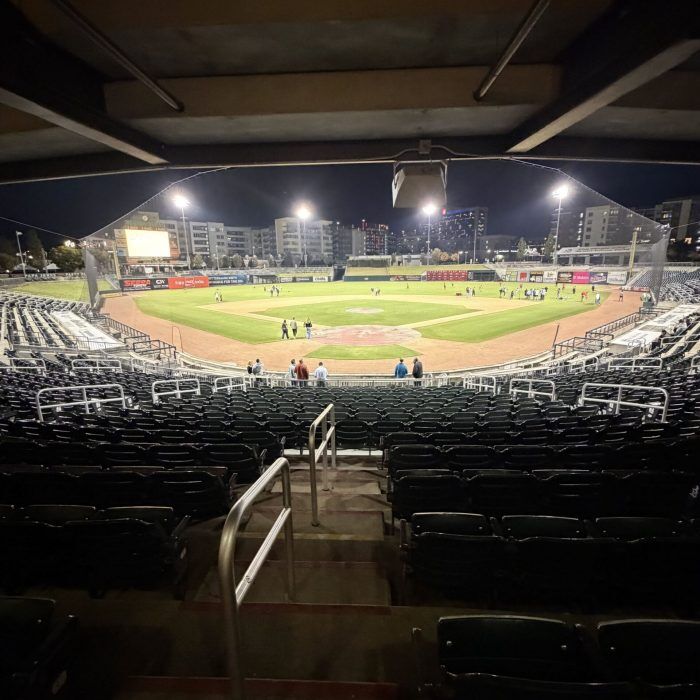
On Tuesday night in Birmingham, 1,300 people from the sports tourism industry stood on the outfield grass at Regions Field, home of the Birmingham Barons, drinks in hand, with the city skyline over the left field wall. It was the opening celebration of the TEAMS ’26 Conference & Expo, and it was a very good pitch. Nobody on that field needed to be told that Birmingham could host a sporting event. They were standing inside the proof.
By Thursday, a lot of those same people were flying home to open their laptops and start reading bid books.
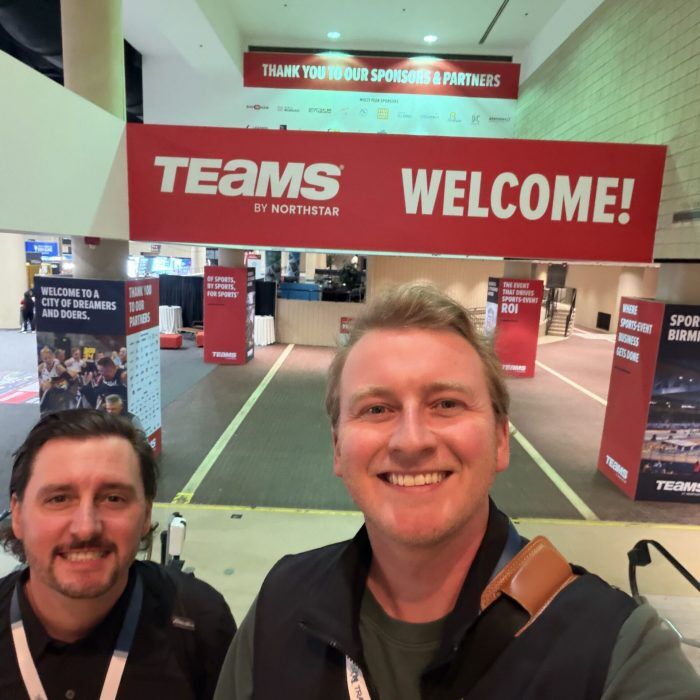
That is the story of TEAMS. The conference, produced by SportsTravel and hosted this year by the Greater Birmingham CVB at the Birmingham Jefferson Convention Complex, is where event owners and the destinations that want to host them meet in person. Sports commissions and CVBs are, as a group, some of the best sellers of place anywhere. The week in Birmingham made the case that the bid they send afterward is ready to catch up to the experience they already deliver in person.
One appointment to make an impression, months to make a decision
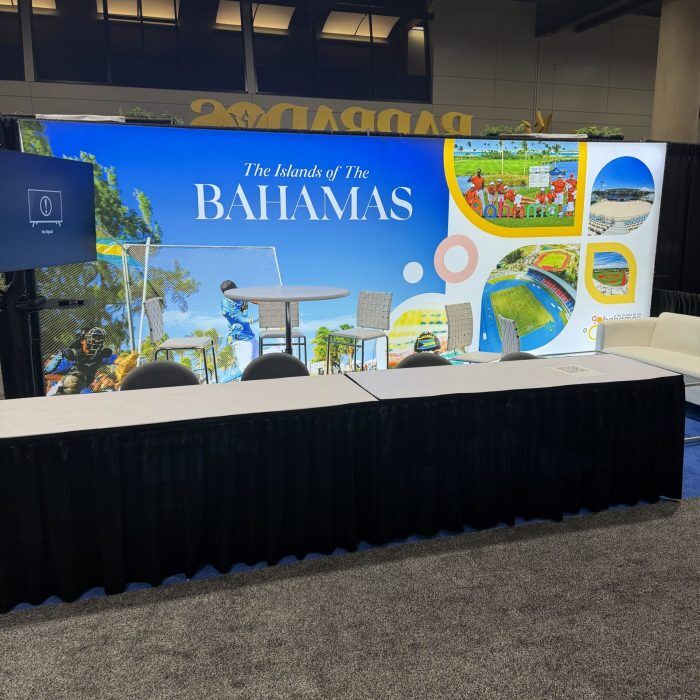
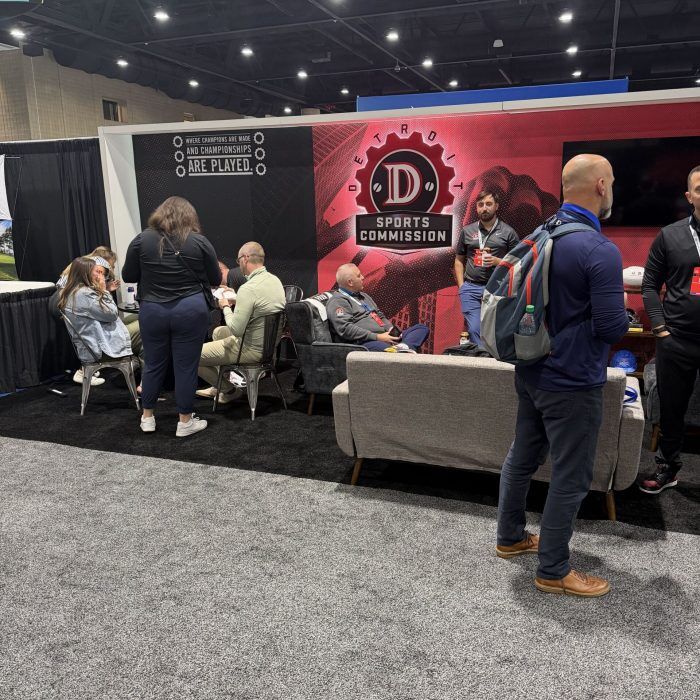
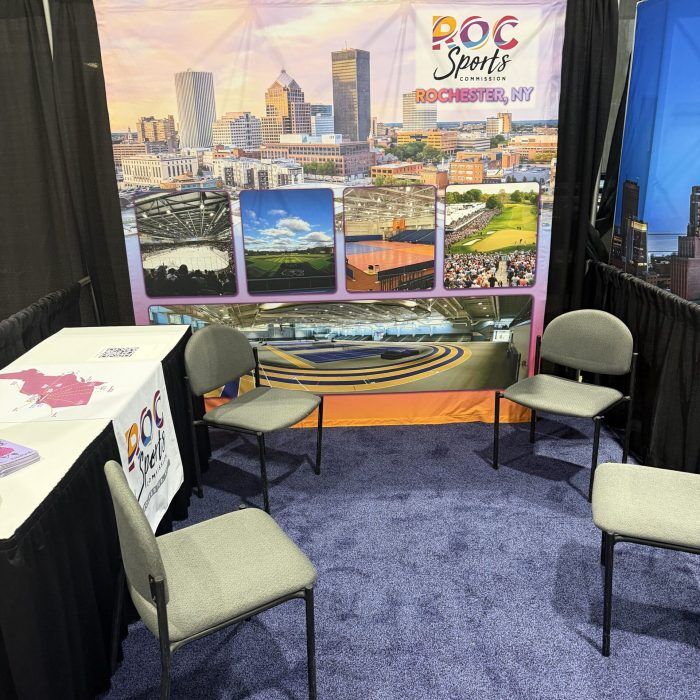
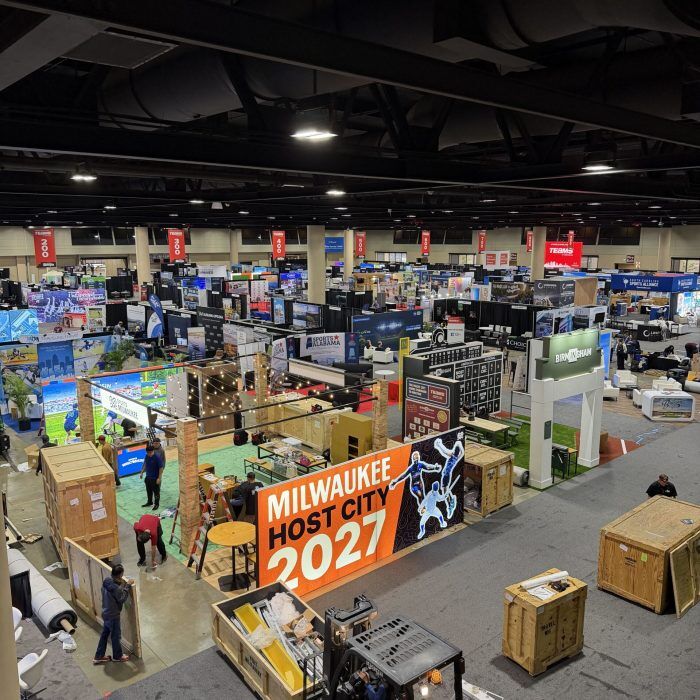
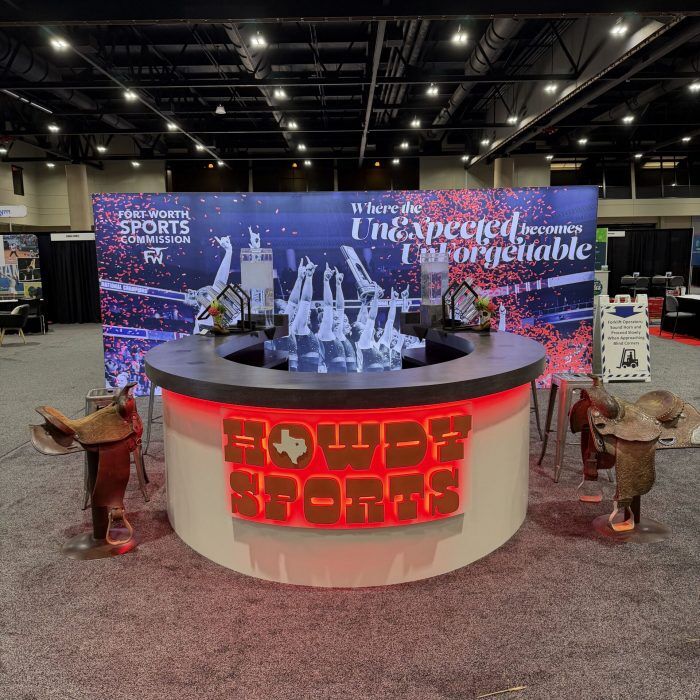
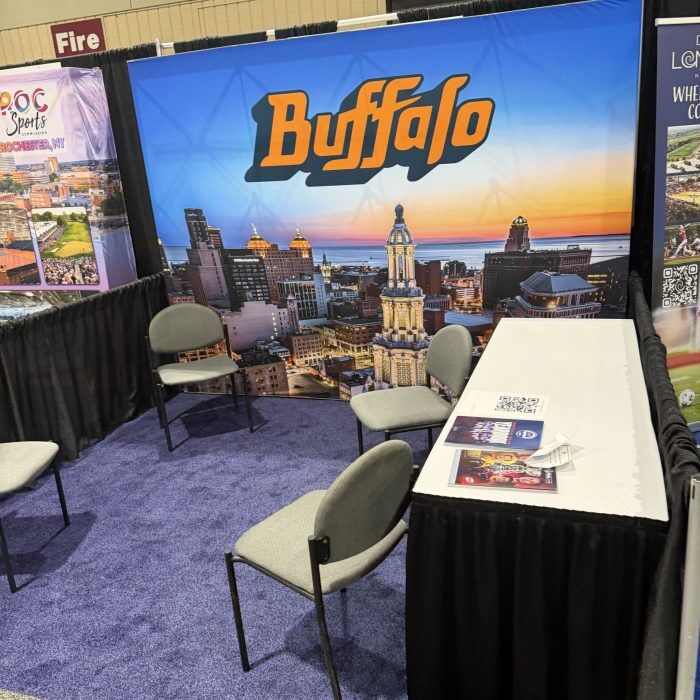
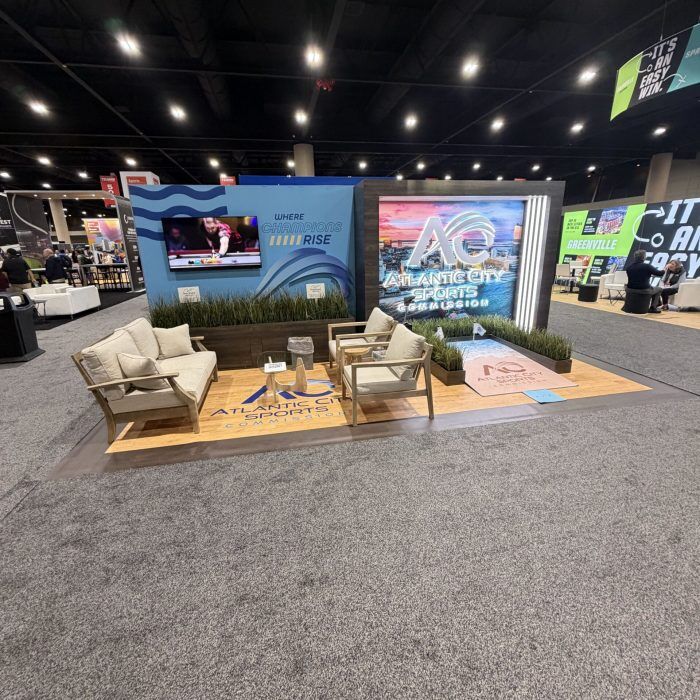
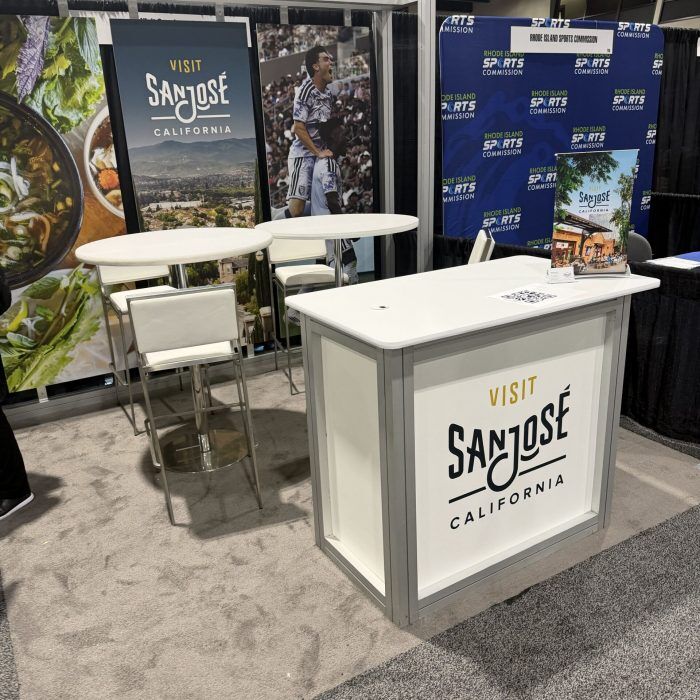
TEAMS runs on appointments. The expo floor was a full schedule of one-on-one meetings between sports commissions and event owners, booked weeks in advance and back to back all day. It is an efficient way to start a lot of conversations, and no one expects to finish one there. The site decision comes later, on the event owner’s own screen, comparing what each destination sent afterward, usually with a board or committee that was never in Birmingham.
The takeaway is simple. The appointment is the audition and the bid is the performance. The follow-up has to work for someone reading on a phone between other things and forwarding it to people who need to be convinced from scratch. Sports commissions have never lacked the effort for that. What the follow-up has often lacked is the same tools the opening night got.
Sports is no longer the side business
If there was one eye-opener in Birmingham, it was scale. The SportsTravel Awards stories, the conversations on the floor and the sheer range of organizations in the hall all pointed the same direction: sports commissions are driving a very large share of destination business, and in a growing number of markets the sports side now outweighs meetings and conventions.
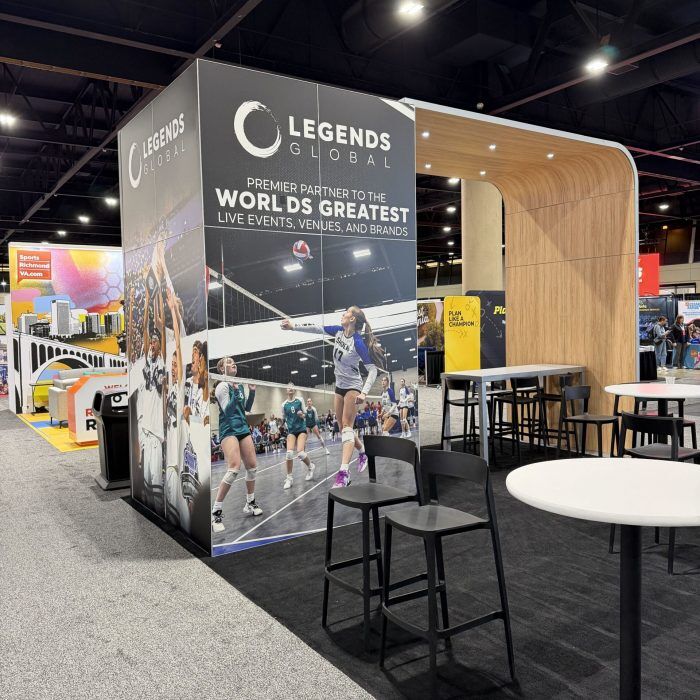
The breadth of the event-owner side made the point on its own. Volleyball, basketball, baseball, softball, USA Football, triathlon, even ATV racing, each with its own calendar of championships and qualifiers looking for a home. Every one of those is a room block, a venue rental and a week of visitor spending, and every one of them is decided by a bid.
That shift changes what a destination’s sales materials have to do. Several destinations described running the sports side with its own identity, distinct from the meetings and conventions deck, because an event director and a corporate planner are not looking for the same things. The destinations getting ahead of this are treating the sports bid as a first-class product, with its own look, its own proof and its own workflow, rather than a version of the convention pitch with the photos swapped.
A city that sells experience deserves a bid that shows it
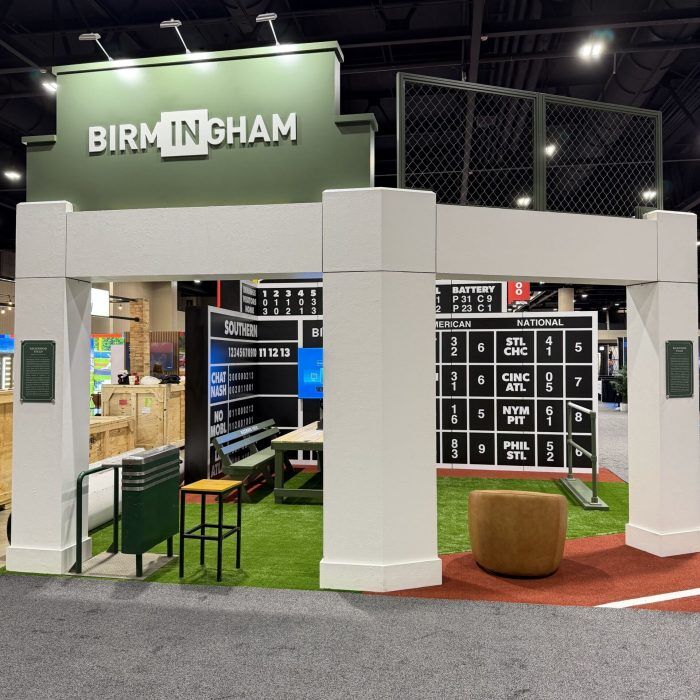
Birmingham understood the assignment. The inBirmingham welcome opened the general session. Visit Albuquerque’s sponsored conference videos ran before every session. The Barons put the whole conference on their field. Every host and sponsor destination at TEAMS knows that what they are selling is the feeling of being there, and they staged that feeling with real care.
Then the conference ends and the follow-up goes out, and the format has not kept up. The industry standard is still the PDF bid book: venue inventory, hotel counts, a letter from the mayor, a few static photos of a field complex at noon. That is not a failing of any destination. It is simply what the bid has always been, and every sports commission inherited the template. But it means the one document meant to carry the destination’s case to the people who decide is the least experiential thing the destination produces all year, and the event owner who walked the arena, toured the convention center and ate the barbecue is asked to make a decision from a file that looks like every other file in the folder.
A host city pitch should feel like the host city. The venue walkthrough should play. The map should move. The event owner should be able to click through a tournament week the way they would actually live it, with the venue capacities and the room block sitting right beside the footage so the operational answers are never more than a tap away. Destinations already know this is how to sell. The opportunity is to let the bid do what the site visit does.
Thirty bids, one destination, and the facts that drift
There is a quieter challenge underneath the format one, and it is a challenge of volume, not of care. A sports commission might take thirty appointments across two days of TEAMS, covering youth soccer, collegiate championships, adaptive sports and a trade show or two. Each of those conversations needs a different version of the same city. The soccer organizer wants field complexes and hotels with team rates. The championship director wants arena capacity, broadcast infrastructure and airlift. The adaptive sports organizer needs accessibility detail down to which entrance has the ramp.
All thirty bids draw on the same facts: the venue inventory, the hotel package, the economic impact history, the list of events the destination has hosted before. The common workflow is a CRM export, a PowerPoint rebuild and a PDF out the door, and when those facts live in thirty separate files, each one built from the last one under a deadline, small things drift. The venue count in the soccer bid stops matching the venue count in the championship bid. A hotel partner changes and an older deck still carries the previous name. That is not carelessness. It is what happens to any team producing that much custom material with tools designed for one document at a time.
The destinations that handle this well think of their bid content as one library rather than a pile of documents. The approved venue slides, the hotel inventory, the impact numbers and the brand live in a single place, and each event-specific bid is assembled from that source. A new arena opens, it gets added once, and every bid that goes out from then on has it. That is not a glamorous idea. It is what lets a small sports commission team send thirty bids after TEAMS with the same confidence as one.
The awards went to destinations that could prove it
Wednesday’s SportsTravel Awards Luncheon honored the 2026 winners across sports, events and destinations, hosted by John David of Sports ETA, Jason Gewirtz of Northstar Meetings Group, Anna Nash of Legends Global and Dan Williams of the Greater Birmingham CVB. The room was full of the people who decide where next year’s events go, watching this year’s hosts get recognized for delivering.
The encouraging part is that nearly every destination in that room has the same kind of proof. An event owner’s confidence comes from evidence, and a bid that shows the last three events the city hosted, with the attendance, the economic impact and what the organizer said afterward, is the strongest thing a destination can send. Most sports commissions already have those numbers in a post-event report. The opportunity is to move them from the archive to the front of the next pitch, where a decision-maker will actually find them.
What the medalists were really talking about
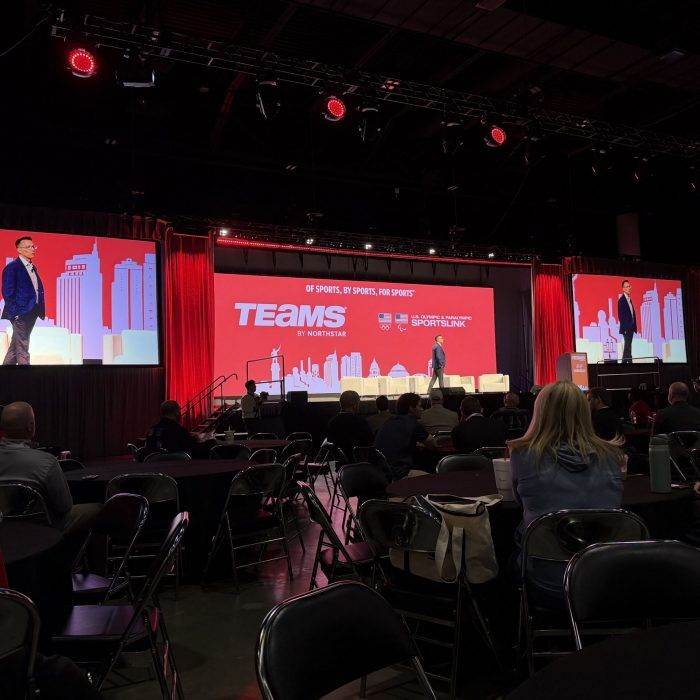
The opening general session paired welcomes from Northstar, Birmingham’s civic leaders and the USOPC with a conversation among 2026 Olympic and Paralympic medalists, including Oksana Masters, Declan Farmer, Madison Chock and Evan Bates, about what it took to get to the podium. It was the session everyone talked about at the happy hour, and the point the athletes kept returning to was that the medal was not won in the moment of competition. It was won in the years that made that moment possible.
That is a useful frame for TEAMS. The appointment across the table is the competition. Everything that decides it was built before and after: the relationship, the materials, the proof, the follow-up. The destinations that get the most out of Birmingham are the ones that treat the conference as the moment a prepared pitch gets delivered, and then spend the next quarter closing.
It is also worth saying where the real relationships formed. Not in the appointment grid, but at the awards luncheon tables, on a rooftop over the city and at the Wednesday happy hour, where a conversation could run forty-five minutes instead of being cut off by a clock. TEAMS schedules the business and leaves the relationships to the evenings, and the attendees who got the most out of the week showed up for both.
The follow-up is the pitch
Strip away the sessions and the ballpark and TEAMS comes down to this: destinations get a short window to start a conversation, and then they get a long one to finish it in writing. The bid is where the event is actually won, and it deserves the same craft the host city put into the opening night, craft these teams clearly have. It should carry the experience of the place, not just its inventory. It should come from one source of truth so the facts hold up across every event the commission chases. And the destination should be able to see whether it was opened, which venues the event owner lingered on and whether it reached the committee, because that is the only honest signal of which conversations from the expo floor are moving.
That last part is what a PDF cannot send back, and it is what DIGIDECK was built to do. A sports commission keeps its approved venue, hotel, impact and brand content in one Master Deck Library and builds every event-specific bid from it. DIGIDECK Analytics then shows who opened the bid, what held their attention and whether it was forwarded. Any destination that wants to see what its own bid looks like that way can see it on their own content.
Frequently asked questions
What is the TEAMS Conference & Expo?
TEAMS (Travel, Events and Management in Sports) is an annual conference and expo produced by SportsTravel and Northstar Meetings Group that brings sports event organizers and rights holders together with the sports commissions, convention and visitors bureaus, venues and suppliers that host their events. The 2026 edition was held October 26 to 29 in Birmingham, Alabama, hosted by the Greater Birmingham CVB, with more than 1,300 attendees. TEAMS ’27 will be held in Milwaukee.
How do sports commissions and CVBs win events at TEAMS?
Through pre-scheduled one-on-one appointments with event owners on the expo floor, followed by bid materials sent after the conference. Because the appointment is brief and the site decision takes weeks or months, the quality of the follow-up bid, and whether it reaches the full decision-making committee, usually matters more than the appointment itself.
What should a sports event bid presentation include?
Venue inventory with capacities and layouts, the hotel package and room block, transportation and airlift, the destination’s track record hosting similar events with attendance and economic impact results, community and government support, and the sports commission’s services and incentives. The strongest bids present this interactively, with venue video and maps alongside the operational detail, rather than as a static PDF bid book.
How can a destination keep bid proposals consistent across many events?
By maintaining a single approved library of venue, hotel, impact and brand content and building each event-specific bid from that source rather than copying and editing a previous bid. When a venue or partner changes, it is updated once. Presentation platforms such as DIGIDECK are designed around this model; separate files for each bid are where facts start to drift.
How much business do sports commissions drive for a destination?
A significant and growing share. At TEAMS ’26, destinations reported that sports events now rival or exceed meetings and conventions as a source of room nights and visitor spending in some markets, driven by the volume of youth, amateur and collegiate championships that rotate between host cities each year. The 2026 SportsTravel Awards highlighted several examples of the economic impact a single hosted event can produce.
What are the SportsTravel Awards?
The SportsTravel Awards recognize outstanding sports events, destinations and organizations each year and are presented at the TEAMS Conference. The 2026 awards were presented at a luncheon on October 28 in Birmingham, hosted by leaders from Sports ETA, Northstar Meetings Group, Legends Global and the Greater Birmingham CVB.
Can a sports commission tell whether a rights holder read its bid?
Yes, if the bid is sent as a trackable interactive presentation instead of an attachment. Engagement analytics show who opened it, how long they spent on each section, which venues drew the most attention and whether it was forwarded, which lets the destination follow up on the bids that are actually being evaluated.